
Zero-magic TypeScript architecture built for scale
Inspect the un-abstracted Next.js App Router structure, configure your database schemas, and deploy your production-ready AI workflow in minutes.
Local setup in three commands
Clone and Install
Configure Environment
Launch Localhost
Run the setup script to clone the zero-lockin repository, install TypeScript dependencies, and link your local database.
Populate your env file with secure keys for Stripe billing, NextAuth, and your preferred AI model providers.
Spin up the local development server with a single terminal command and begin customizing your core AI workflows immediately.
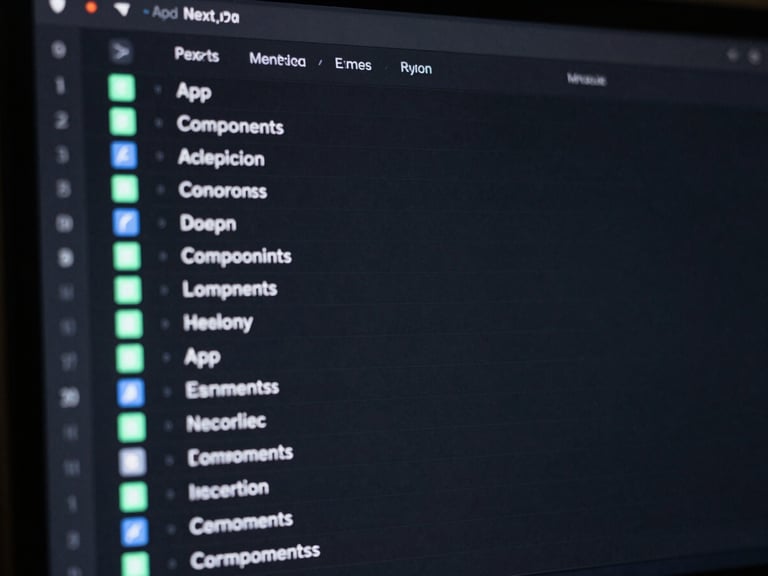
Next.js App Router, zero abstractions
No nested packages, no proprietary CLI tools, and no hidden runtime engines. You get a clean, standard Next.js file tree that maps directly to production-ready API routes, database schemas, and frontend views.
Customize every route, middleware, and database transaction directly. The boilerplate is designed for technical founders who demand absolute control over their codebase.
Self-documenting TypeScript wrappers
Type-safe AI integrations
Stripe billing engine
Pre-configured, fully typed clients for OpenAI, Anthropic, and Pinecone. Stream responses, manage vector embeddings, and handle rate limits out of the box with zero boilerplate.
Hardened webhook handlers, subscription state synchronization, and multi-tier checkout flows mapped directly to your PostgreSQL database schema.
TenStep
Zero-lockin TypeScript boilerplate built for weekend launches.
Sitemap
Home
Architecture
Pricing
Docs
Support
Email: nordzislam@gmail.com
Casablanca, Morocco
By Appointment Only
© 2026 TenStep-Zero-lockin TypeScript code. You own every line.
PRODUCTION-READY BOILERPLATE